

Is tk999 Just Another Betting Site or a Genuine Platform for Bangladeshi Users?
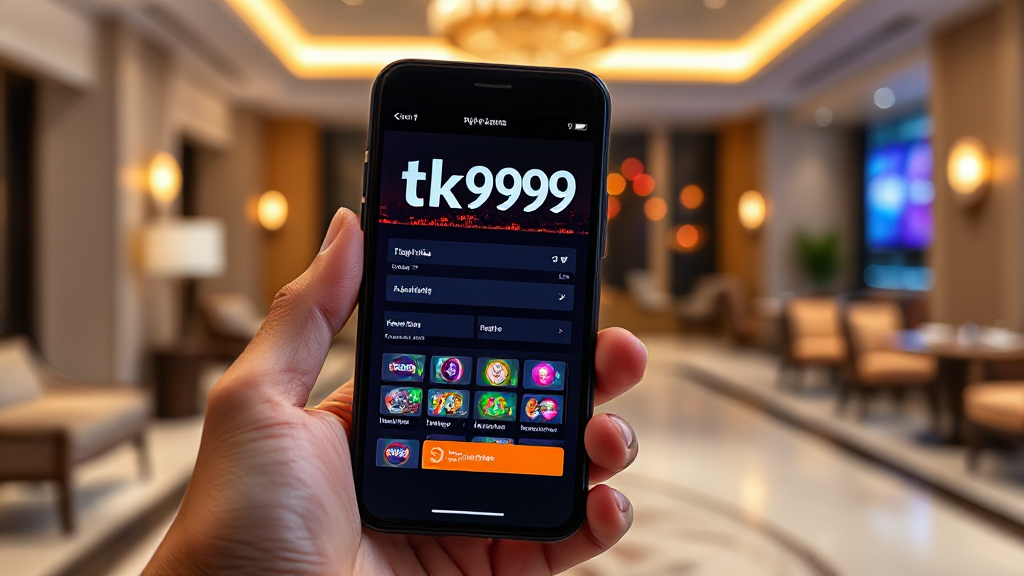
Short answer: tk999 is an online betting and gaming platform built for Bangladeshi users, offering registration and a downloadable app rather than a physical venue or a walk-in service. That single sentence answers most of what people actually ask me, because the confusion almost never comes from the product itself. It comes from the background — what kind of platform this is, why the app matters, and how a person in Dhaka or Chattogram is supposed to think about it before signing up.
I moderate a community where the same questions surface week after week. Sometimes they arrive as direct messages, sometimes as comments under a post that has nothing to do with the topic. Rather than answer each one privately, I decided to write the background down properly. What follows is not a sales pitch and not a warning label. It is the context that makes every later question make sense.
1. What the Name Actually Refers To
The first misunderstanding is almost always about the name itself. People see three letters and three digits and start guessing. Some assume “tk” is a ticket reference. Others see “999” and think of an emergency line. Neither reading is correct, and both send the conversation in the wrong direction before it has even started.
In this context, tk999 is simply the brand name of an online betting platform. It is not a token, not a helpline, and not a shorthand for something else. The name functions the way any brand name does — it identifies a service. Once that is clear, the rest of the questions become much easier to answer, because you are no longer trying to decode a puzzle. You are evaluating a platform.
This matters more than it sounds. A surprising amount of confusion in community threads comes from people arguing about a name instead of a service. When someone asks whether tk999 is safe, they are really asking whether the platform behind the name is trustworthy. Those are different questions, and only the second one has a useful answer.
2. Why the Platform Is Aimed at Bangladesh
The second recurring question is about audience. Why does this platform come up so often in Bangladeshi communities specifically? The answer is straightforward: it is built for that market. The registration flow, the app, and the overall presentation are oriented toward users in Bangladesh rather than a global audience.
That orientation shows up in small ways. A platform designed for a specific country tends to keep its onboarding simple, because it assumes users are arriving on mobile devices with limited patience for long forms. It also tends to assume that the primary entry point is a phone, not a desktop browser. Both assumptions shape how the product looks and feels.
For users, this is useful background rather than a selling point. Knowing that a platform is regionally focused tells you what to expect: a mobile-first experience, a shorter signup process, and support channels that assume a local time zone. It also tells you that the platform is not trying to serve everyone, which usually means fewer features but a more coherent experience.
3. Registration: What the Process Looks Like in Practice
Registration is the step where most people form their first real opinion. The general shape is familiar: you create an account, provide the details the platform requires, and confirm that you are eligible to use the service. The specifics matter less than the pattern, because the pattern is what tells you whether a platform respects your time.
A clean registration flow does three things. It asks only for information it genuinely needs. It explains what happens after you submit. And it does not bury important conditions in a wall of text that nobody reads. If a signup process feels like it is rushing you past something, that is worth noticing.
It is also worth being deliberate here rather than fast. People often register on impulse and then spend the next week trying to remember what they agreed to. Reading the terms before you submit takes a few minutes and saves a lot of second-guessing later. This is not specific to any one platform — it is just good practice.
4. The App: Why Mobile Access Changes the Experience
The downloadable app is the part of the platform that generates the most practical questions. People want to know whether they need it, whether it works on their device, and whether it is different from using the website directly.
Functionally, an app usually exists to make access faster. Instead of opening a browser and navigating to a site, you tap an icon. For users who check in frequently, that difference adds up. For users who log in occasionally, the website may be perfectly sufficient. There is no universal answer here, only a question of how you personally expect to use the platform.
What matters is the source. Apps should be obtained from the platform’s official channels, not from third-party links shared in group chats or comment sections. This is one of the few pieces of advice I repeat without qualification, because it applies to every platform in every market. A file from an unknown source is a risk regardless of what it claims to be.
5. How to Judge Whether a Platform Deserves Your Time
Once the background is clear, the real question surfaces: how do you decide whether a given platform is worth using? This is where a lot of community discussion goes wrong, because people look for a single decisive signal. In practice, judgment comes from a handful of smaller observations.
Start with transparency. Does the platform clearly state what it is, who it serves, and what the conditions are? Vague language is a warning sign, not a stylistic choice. Next, look at consistency. Does the information on the website match what you see during registration and in the app? Inconsistency usually means something has not been thought through.
Then consider your own situation. Eligibility rules, local regulations, and personal circumstances all matter, and none of them can be answered by a stranger on the internet. A platform can be legitimate and still be unsuitable for you specifically. Separating those two things keeps the decision grounded.
Finally, pay attention to how the platform handles questions. A service that responds clearly and promptly is telling you something about how it operates. A service that deflects or disappears is telling you something too.
6. Common Misunderstandings That Keep Circulating
Certain misconceptions reappear so often that they deserve their own section. The first is that regional focus means lower quality. It does not. A platform built for one market is often more polished within that market than a global service trying to serve everyone at once.
The second is that a downloadable app is inherently riskier than a website. The risk comes from the source, not the format. An app from an official channel is not more dangerous than a website; an app from an unknown link is dangerous regardless of what it is.
The third is that any single review, positive or negative, settles the question. It does not. Individual experiences vary widely, and the loudest voices in a comment section are rarely the most representative. Background knowledge beats anecdote almost every time.
The fourth is subtler: people assume that because a topic is discussed widely, it must be well understood. In my experience, the opposite is often true. The most discussed topics are frequently the ones with the most accumulated noise around them.
7. Questions I Get Asked Most Often, Answered Briefly
Is it a physical place? No. It is an online platform, not a venue you visit. This trips people up more than you would expect, partly because the word “casino” carries physical associations that do not apply here.
Do I need the app? Not necessarily. The app is an access method, not a requirement. Decide based on how often you expect to use the service.
Is it available outside Bangladesh? The platform is oriented toward Bangladeshi users. Whether it suits you depends on your location and your own eligibility, which you should verify yourself.
How do I know it is legitimate? You do not know from a single article, including this one. You build confidence from transparency, consistency, and clear communication over time. That is the honest answer, and it is more useful than a yes or no.
What should I check before registering? Read the terms, confirm your eligibility, and make sure you are on the official site rather than a lookalike. Those three steps cover most of what matters.
8. A Closing Checklist Before You Decide
If you take nothing else from this, take the checklist. It is short on purpose.
First, confirm you are dealing with the actual platform and not an imitation. Second, read the conditions before you agree to them, not after. Third, get any app from an official source only. Fourth, check that the service is appropriate for your location and circumstances. Fifth, give yourself time — decisions made in a hurry are the ones people regret.
And keep the background in mind. tk999 is an online betting and gaming platform aimed at Bangladeshi users, with registration and a downloadable app as its main entry points. That is what it is. Everything else — whether it fits your life, whether you trust it, whether you use it — is a judgment only you can make. My role here was just to clear away the noise so that judgment is actually yours.





Leave a Reply