

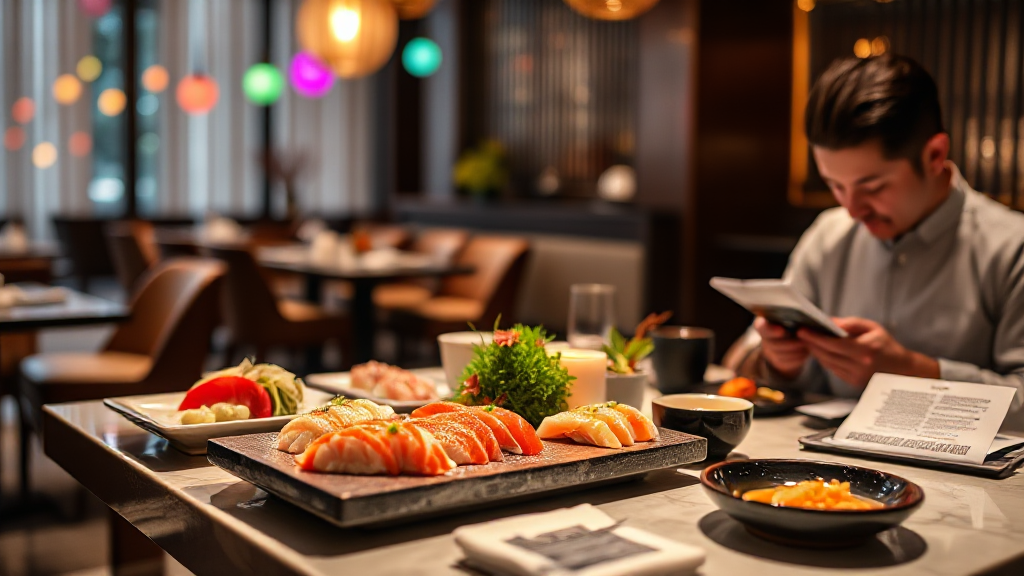
Planning a Sushi Dinner That Fits the Budget
How much does a satisfying sushi dinner actually require? The honest answer is that it depends on how you order, not just on where you go. A meal built around a few well-chosen rolls, a shared sashimi plate, and a pot of tea can cost far less than a scattered order of trendy items that leaves you hungry. The trick is to treat the menu like a plan rather than a wish list, and to know which clicks on a digital menu are worth your money.
If you are checking a restaurant’s online menu before you go, start with the meme4d daftar page as your reference point for what is actually available. Reading the menu before you sit down is the single easiest way to avoid ordering on impulse and paying for dishes you did not really want.
How to Read a Sushi Menu Without Overspending
Sushi menus are structured in a way that rewards a little planning. Most restaurants group items by type: nigiri, sashimi, maki rolls, specialty rolls, and hot dishes. Prices usually climb as you move from simple nigiri toward elaborate specialty rolls with multiple toppings and sauces. Knowing that order helps you decide where to spend and where to save.
Start with the simple, high-value items
Nigiri and basic maki are typically the best value per bite. They let you taste the quality of the fish without paying for extra sauces, garnishes, or presentation. A budget-minded diner often orders a small set of nigiri first, then adds one specialty roll to share. This keeps the total down while still giving you variety.
Watch the specialty roll trap
Specialty rolls are the most expensive line on most menus, and they are also the easiest to over-order. They are rich and filling, so two people rarely need more than one or two. If you are dining with a group, agree on one or two specialty rolls to share and fill the rest of the table with simpler items. Sharing is the most reliable way to keep a sushi bill under control.
Check portion sizes before you commit
Portion sizes vary widely between restaurants. Some serve small, delicate pieces; others pile on rice and fillings. If you are unsure, ask the server how many pieces come in an order. A quick question at the start prevents the classic mistake of ordering three rolls per person and leaving half the table unfinished.
What to Expect from Pricing and Portions
Pricing at a Japanese restaurant usually reflects three things: the type of fish, the skill involved in preparation, and the overall dining experience. Understanding that structure helps you predict your bill before it arrives.
Fish type drives the price
Common choices like salmon, tuna, and yellowtail sit at the lower end of the price range. Rarer fish and premium cuts cost more. If your goal is a satisfying meal on a budget, build your order around the familiar fish and add one premium piece as a treat. You get the experience without the sticker shock.
Sashimi versus sushi
Sashimi is sliced fish without rice, while sushi includes rice. Sashimi often costs a little more per piece because you are paying for pure fish, but it can also be more filling. A shared sashimi platter plus a couple of rolls is a common budget-friendly combination that covers both textures and flavors.
Lunch versus dinner
Many Japanese restaurants offer lunch sets that include several items for a lower price than ordering the same dishes at dinner. If your schedule allows, a weekday lunch is one of the simplest ways to enjoy sushi for less. Check the menu page for set options before you plan your visit.
| Order style | Typical cost level | Best for |
|---|---|---|
| Nigiri set | Low to medium | Solo diners who want variety |
| Shared sashimi platter | Medium | Two or more people |
| Specialty rolls | High | Sharing as a treat |
| Lunch set | Low | Budget-conscious weekday meals |
Avoiding Wrong Clicks and Wasted Money
Ordering online or through a digital menu makes it easy to add items quickly, and that speed can cost you. A few small habits keep the total in line with what you actually intended to spend.
Review the cart before you confirm
Before you submit an order, read through every item and ask whether each one adds something different to the meal. Duplicate flavors and multiple sauce-heavy rolls are the most common sources of waste. Removing one redundant item often saves enough to add a drink or dessert instead.
Know what you are clicking
Some restaurant websites include pages or links that are unrelated to the menu itself. If a link or label looks out of place, treat it with caution and stick to the pages that clearly describe food, prices, and reservations. A wrong click should never cost you money or lead you away from the meal you planned. When in doubt, return to the main menu page and order from there.
Set a per-person target
Decide on a rough spend per person before you order. For a casual sushi dinner, a moderate target per person usually covers a few nigiri, one shared roll, and a drink. Having a number in mind makes it easier to say no to the third specialty roll and keeps the final bill predictable.
Planning a sushi dinner that fits the budget comes down to reading the menu carefully, choosing simple items first, sharing the expensive ones, and reviewing your order before you confirm. Do those four things, and a satisfying Japanese meal stays comfortably within reach.





Leave a Reply